
Reducing food waste at home is an achievable goal that benefits both your wallet and the planet. With some thoughtful planning and small changes in how we shop, store, and use food, we can significantly cut down on what ends up in the trash. This guide offers an easy-to-follow approach with practical tips to help you make the most of your groceries.
Why Reducing Food Waste Matters
Food waste isn’t just about throwing away money—it also has environmental consequences. When food decomposes in landfills, it produces methane, a potent greenhouse gas. Additionally, wasting food means wasting the resources used to grow, harvest, and transport it, such as water, energy, and labor. By minimizing food waste, we reduce environmental impact and promote a more sustainable lifestyle.
Smart Shopping: The First Step
Plan Your Meals Ahead
Creating a meal plan for the week helps you buy only what you need. Take a moment to check what’s already in your fridge and pantry, then list ingredients for meals you intend to prepare. This prevents impulse buys and duplicates.
Make a Detailed Shopping List
Stick to your list when at the store. Avoid purchasing items because they are on sale unless you have a plan to use them. Buying in bulk can be helpful if you are sure the food will be used before spoiling.
Choose Fresh, Seasonal Produce
Seasonal fruits and vegetables often last longer and taste better. They are usually fresher because they don’t travel as far, which can also reduce spoilage.
Proper Food Storage Techniques
Understand How to Store Different Foods
Keeping foods fresh longer is key to reducing waste. For example:
– Store leafy greens and herbs in airtight containers or wrapped in paper towels.
– Keep fruits like apples and bananas separate from vegetables to slow ripening.
– Use your freezer wisely for bread, meat, and leftovers.
Use Clear Containers
Transferring leftovers or opened foods into clear containers lets you see what you have, preventing forgotten items that spoil.
Label and Date Foods
Marking packages or containers with the date you opened or cooked the food helps you keep track of freshness and prioritize consumption.
Smart Cooking and Leftover Use
Cook Appropriate Portions
Making just the right amount of food reduces leftovers that might not get eaten. If you do have extras, plan meals around them.
Repurpose Leftovers Creatively
Leftover vegetables can become soups or stir-fries, stale bread can turn into croutons or breadcrumbs, and overripe fruits can be used in smoothies or baked goods.
Freeze Excess Food
If you don’t think you’ll eat leftovers quickly, freezing is a great option to extend shelf life and avoid waste.
Mindful Consumption Habits
Check Expiration Dates Wisely
“Best by” and “use by” dates are guides but don’t always mean the food is unsafe after those dates. Use your senses—smell, sight, and taste—to judge if food is still good.
Practice FIFO: First In, First Out
Arrange your pantry and fridge so that older items are in front and used first. This simple system helps prevent food from expiring unnoticed.
Composting: A Green Solution for Food Scraps
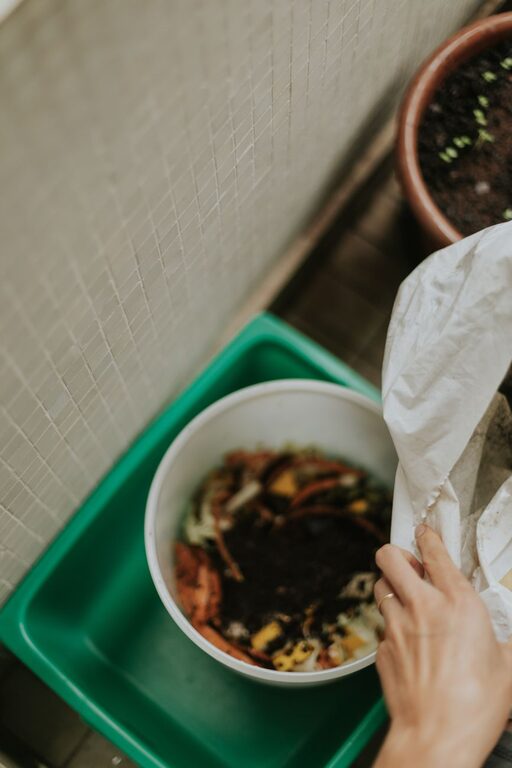
Even with careful planning, some waste is inevitable. Composting food scraps like vegetable peels and coffee grounds turns waste into nutrient-rich soil for gardening instead of landfill garbage.
Tips for Reducing Food Waste with Kids
Teaching children about food waste encourages lifelong habits. Involve them in meal planning, shopping, and cooking. Make cleaning the plate fun by turning it into a game or challenge.
Final Thoughts
Reducing food waste doesn’t require big sacrifices—small daily habits add up to make a difference. By planning meals, storing food properly, using leftovers creatively, and composting scraps, you contribute to a healthier planet and save money. Start today with one or two changes and build from there.
Remember, every bit saved counts!